the sweet taste of strawberry water

The warmer days ahead mean that we need a strategy for staying hydrated this summer. The best source for this goal is water. But there are times when you want to shake things up and one idea is to make some strawberry water.
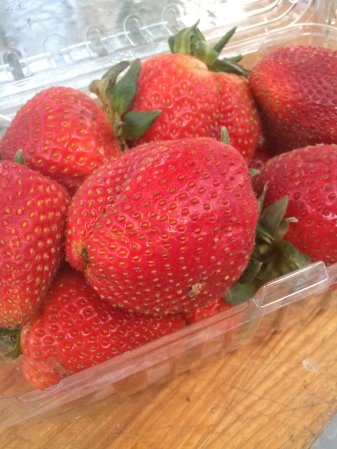
This is a refreshing drink that we stumbled upon as an accident. How many good drinks and dishes came to be as a result from a happy accident? Think chocolate molten cake.
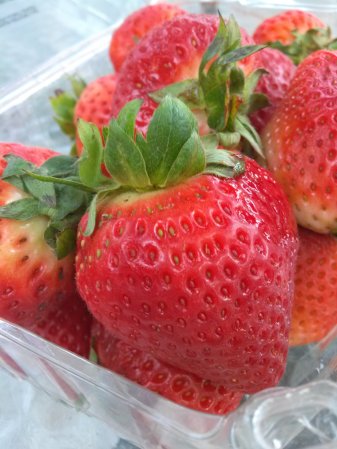
Strawberries are available in several varieties. Many of the strawberry baskets showing up now at farmers’ markets contain June-bearing berries where they make a glorious appearance for the month of June and then they are done.

There are also strawberries that will continue to grow all summer long.
Commercial grown strawberries have to be thoroughly cleaned. Strawberries are one item worth spending a little extra money for the organic. Even better for you and your family?
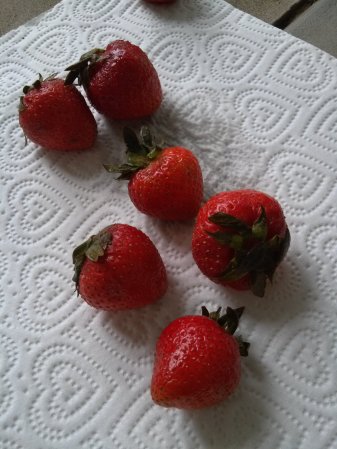
Grow your own. Most berries are fairly easy to grow and just need you to stay on a good watering schedule when the temperatures soar.
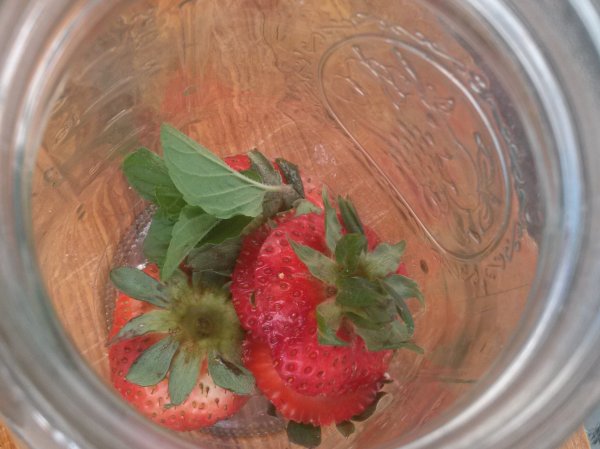
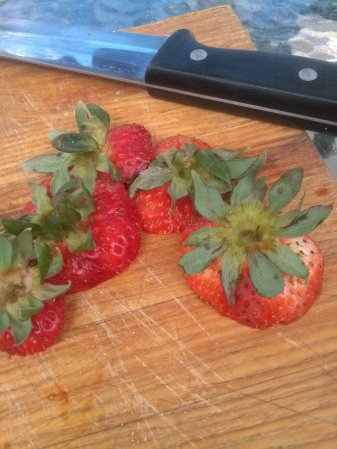
We had picked a number of strawberries on a very hot day and prepared them outside for dessert. A quick rinse in the hose and we sheared off the tops.
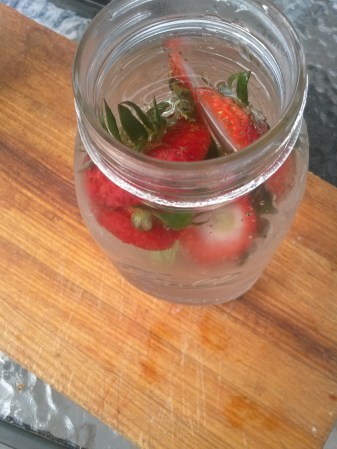
Since we were outside in the hot weather the sliced ends of the strawberries gave off an intense perfume.  Why let the compost bin get these strawberry tips and their heady scent?
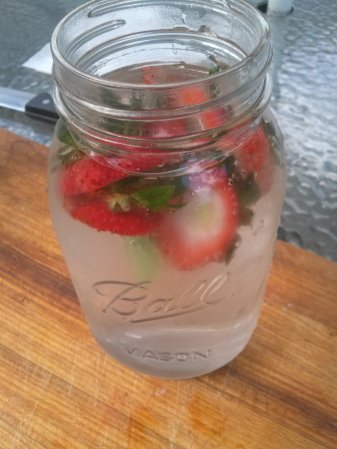
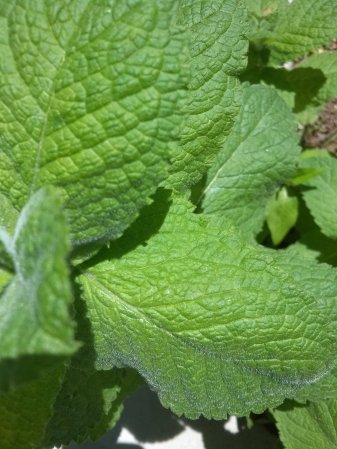
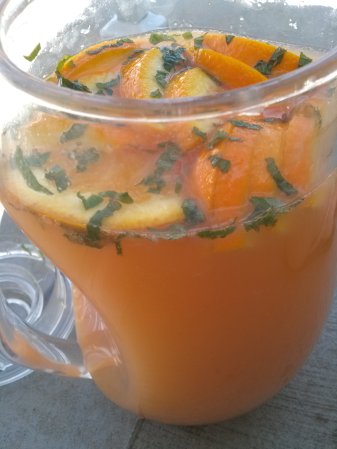
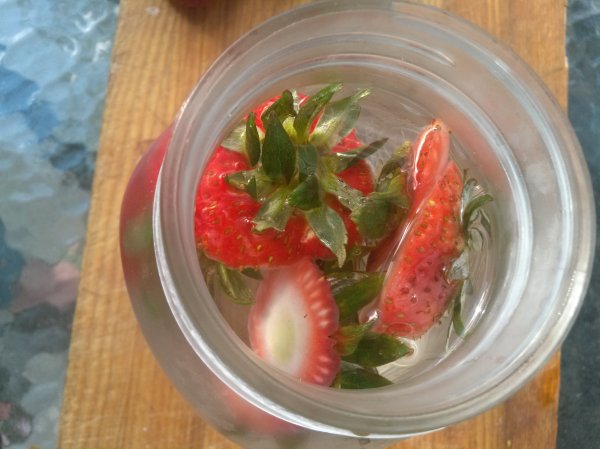
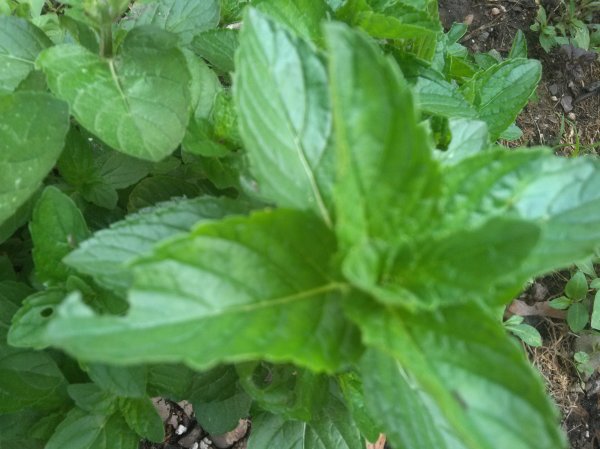
We put the strawberry tops in a pitcher along with a sprig of mint from the garden. Then we added cold water to the pitcher and let the strawberry tips bob around in the water for about 24 hours.
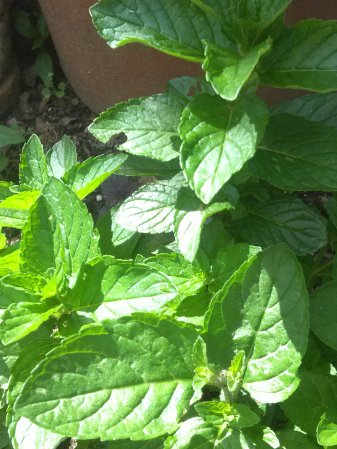
What we had as a result of the stay in the refrigerator was a refreshing drink of strawberry-infused water with a hint of mint flavor.
You can play with all different flavor combinations. Sometimes we mix the strawberry water with lemonade or substitute basil leaves for the mint leaves.
Try it with lemon or lime. Use the fresh citrus juice or combine with the zest to get a more concentrated lemon or lime flavor.
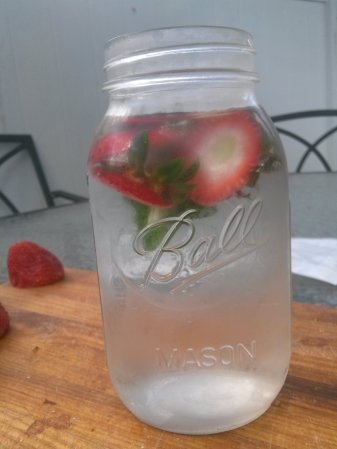
This recipe is a great way to use up every inch of the strawberry and gives the family something other than plain water as a choice for a cold and refreshing drink on a hot day. So easy and so tasty!

Here comes the weekend!

getting started with an herb garden

Your ingredients work together to create a finished dish that you follow in a recipe or create yourself. The freshest ingredients you can find make any finished product taste better.

Fresh herbs can make the whole dish really sing. Maybe you want to get started and create your own herb garden. Don’t know where to begin? Read on for ideas to get you started.

Decide whether you are creating an herb garden in the ground or in some containers. Herbs are fairly easy to grow and require little regular maintenance.

Ideally you want to choose a sunny spot and somewhere near your back door or apartment terrace. You want your herbs readily accessible in a place that’s easy to get to from your kitchen.

Some garden centers carry terra cotta planters designed with separate openings for each herb. You can grow several herbs in very little space with one of these herb pots.

Here are some herbs to get you started with the basics. There are all sorts of variations on the basic herbs.

Basil

No summer herb garden should be without basil. This is a heat-loving annual herb that garnishes tomato dishes and lends its easily recognized flavor to pasta dishes and pizza. Grow in a pot by the grill for easy-to-reach flavor all summer.

Chives

Chives are a good match with any dish you make with eggs, from scrambled eggs on the morning breakfast table, to an appetizer favorite of deviled eggs. Chives will continue growing after you cut them for use in the kitchen. This herb can add a light onion flavor to sauces and soups.

Mint

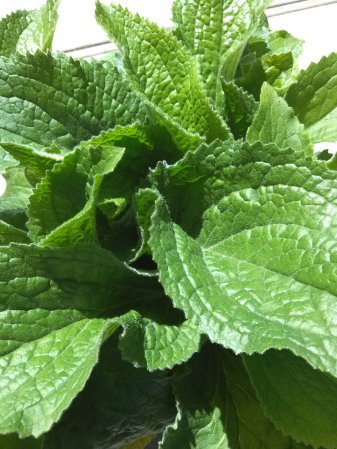
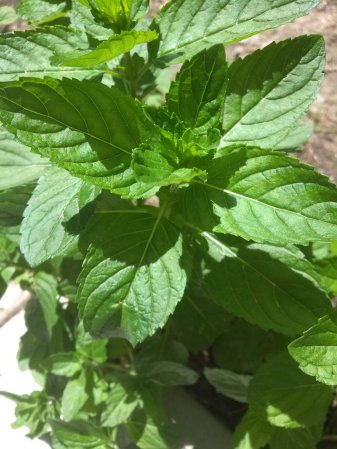
We grow several varieties but one mint plant can be used to harvest the leaves for cool drinks, ice cream and homemade jams for your summer kitchen.

Oregano

Oregano is one of those plants that the more you harvest it the more it will reward you by being a healthy, bushy plant. Oregano is used in soups, stews and sauces. It pairs well with meat and shellfish.

Rosemary

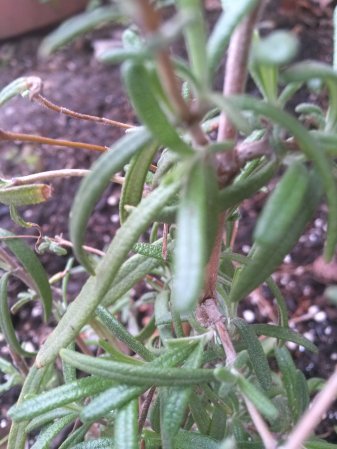
The strong, woodsy flavor of rosemary stands up to bold meat flavors. This perennial is not like anything you get in the supermarket. Fresh rosemary has thin stems that are tender and can be chopped along with the leaves. When your meat is almost done on the grill, light  some rosemary branches at the ends with a match and wave over the meat for a smoky flavor.

Tarragon

You want to buy the tarragon that is labelled “French tarragon” for the distinct licorice notes of flavor. Remove flowers as they appear as it takes energy away from the plant.

Thyme

There are about 400 different varieties of thyme. Be sure and pick up the thyme that is marked for culinary uses. Like the rosemary, thyme plants have tender stems that can be chopped along with the leaves.

Tomorrow brings more food and garden talk!


tomato tips for the season

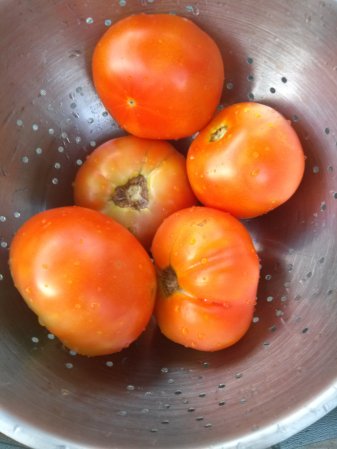
Nothing says warm-weather-food like a juicy tomatoes. They work as a super-fresh ingredient in everything from salads, to sandwiches, and pasta dishes.

A tomato still warm from the afternoon sun is also the perfect pairing with a sprinkle of salt and sliced on a crusty loaf of bread. There are so many varieties of tomato ranging in acidity and colors. Try a few this growing season and choose from different shapes and sizes.

There are different colors available like sunny yellow, classic tomato red and dark brown. Some are even striped.

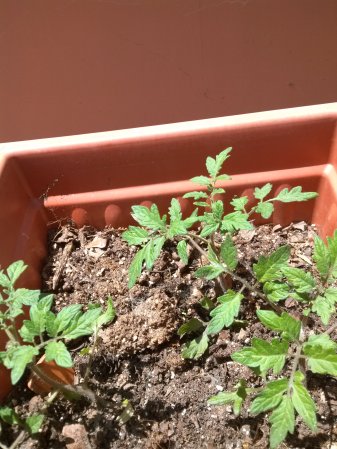
To get your tomatoes off to the best start, choose a location that gets a lot of sunlight. You can choose a spot in the garden or a container.

You want the tomato plant to create as strong a root system as possible as soon as it can. Tomatoes grow on a vertical vine and can be a little leggy when first purchased. To help the tomato plant be rooted well right from the beginning there is one easy step to get them established quickly.

Locate the spot on the tomato plant where the first leaves appear. You want to bend the stem slightly and place the roots sort of sideways to have the soil line be even with the first leaves.

This submerges most of the young plant in the soil. This step will help the tomato plant take hold and build its strength quickly.

Another easy step to get your tomato plants on their way is to place some aluminum foil at the base of the plant to reflect as much of the sunlight back up to the plant as you can harness.

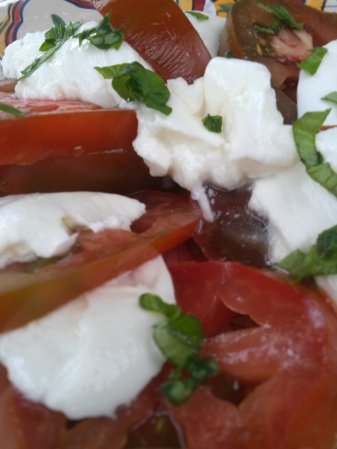
A favorite dish of ours in the summer is slices of tomato dressed with extra-virgin olive oil, kosher sat, and balsamic vinegar, layered with fresh mozzarella and some torn basil leaves from the garden. Simple and delicious.

Keep in mind that the “perfect” tomatoes you see in the supermarket are not going to taste like the ones from the farmers’ market or your own backyard.  The funny shaped, odd looking tomato at the farmers’ market will deliver more flavor than the perfectly shaped tomato in a supermarket. The supermarket tomatoes have had the growing process modified for the sake of appearance.

Stay as true to nature’s food as you can! For more healthy eating ideas for the kids this summer check out my post this week over at Parade.

http://parade.condenast.com/300827/aliceknisleymatthias-2/5-ideas-to-encourage-healthy-summer-eating-habits-for-kids/

See you tomorrow!


annual or perennial in the garden

If you are just starting a garden, or new to filling containers for flowers or shrubs, the choices can seem overwhelming. A walk through the garden center has rows and rows of colorful flowers being sprayed with the occasional watery mist from above.

The first step is to know if you want to choose an annual or a perennial. An annual will grow for one season until the first frost. There are some annuals that can be potted up to be brought inside for the winter but that’s for another post. We’re here all month!

An annual provides a continuous display of color. These are good for pots, borders and hanging pots. For hanging pots you want to look for something that has what is called a trailing habit. This means it will naturally grow to hang over the sides of a hanging basket.

Perennials bring a bigger commitment as they will return year after year. They have a bloom cycle so you want to check on each plant’s cycle for your needs. Are you placing the plant in a spot where you would like to see color in late spring or early fall?

Also check the plant’s height at how tall it is now and what the estimated height is. Are you placing the plant in a location where you want something that is low or a plant with tall sturdy stems?

One of the wonders of gardening is having  perennials like foxglove. An early summer star, foxglove produces graceful bell-shaped flowers in June in all sorts of eye-catching colors. As they go to seed for the season, they will blow around and re-seed themselves in and around your yard and garden.

It’s always a nice surprise in the spring to see where new foxglove plants have taken hold. We’ve dug them out of cracks in the sidewalk and moved them to a better place to flourish. And they always do.

Annuals can sometimes return unexpectedly too. We planted a chartreuse colored plant at the base of our potted blueberry bush that we picked up one spring. It was labelled as an annual but it has returned each spring for the last four years. Surprises like that are always nice.

See you tomorrow!

here comes the growing season and a tip for big container plants

It feels good to be able to move your entertaining and lifestyle outside for the season. Reading while the kids splash in the pool or the sense of accomplishment (and tiredness!) you feel after a day in the garden are part of the activities of the warmer months.

The growing season is here and read on for some planting tips to make sure your flowers and vegetables are at their best during this growing season.

Two key elements of gardening is finding the balance between keeping plants and vegetables well watered and irrigated and knowing the soil you are working with. Take a clump of soil in your hand and feel the texture.

Does it feel light and airy or heavy? Now water the same soil and see if the soil gets clumped or if it drains well. You can take a sample to your local garden center and they will be happy to test your soil and guide you toward what you need to prepare your soil for optimum growing conditions.

Container gardening means you have control of the soil quality right from the start. Purchase a potting soil for your needs. Garden centers carry soil, for growing flowers and herbs, and a different mix for vegetables.

Growing flowers, vegetables and herbs in containers can be done anywhere such as an apartment terrace or a back deck or patio. First, thoroughly wash your pot inside and out with warm soapy water.

Even if you grew a healthy plant in the pot from the last growing season you want to make sure it is free of any residue. Make sure the pot you choose has drainage holes.

Take a stone or a piece of a broken flower pot and place over the drainage hole. This will keep soil from getting clogged at the site. (Broken pot? Save the pieces for this use. This is the gardener’s version of turning lemons into lemonade!)

What about filling big pots for planting? If you fill the whole pot with planting mix you run the risk of clogging the drainage area. It also makes for a very heavy pot that you won’t be able to move.

Instead of filling the pot entirely with the potting mix, crumple some pieces of newspaper in the lower third of the pot and add mix to fill the rest of the way up. This increases drainage, the newspaper will eventually break down naturally, and this method keeps the pot from becoming too heavy.

More garden ideas to follow in the coming days!


tips for planting your mother’s day gift plant

Stop! Don’t get rid of that sorry-looking plant.

Maybe you got a Mother’s Day plant of hydrangea, slender tulips, fragrant hyacinth or daffodils. These plants are sold in plastic containers and wrapped in decorative paper with ribbons.

They are a popular gift to celebrate the woman who does your homework with you, packs your lunch and keeps track of busy schedules.

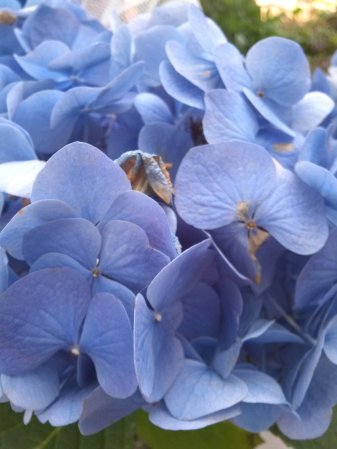
Only the hydrangea will be looking like anything resembling a healthy plant now at the start of June. That’s because the hydrangea plants cultivated for the Mother’s Day holiday are forced to produce an earlier bloom and their natural bloom cycle is longer than the other plants.

A few simple steps can continue the life cycle of all the Mother’s Day blooms.

Take the hydrangea outside for an afternoon of sun and bring it back inside at night. Do this for a week or so to prevent any shock to the plant and to keep it from being bothered by fluctuating temperatures.

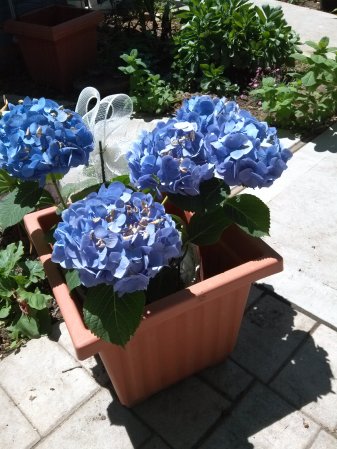
Once the hydrangea gradually gets used to being outside, plant it in a planter or in a bed and allow it to fall into the rhythm of the growing season.

As for the tulips, daffodils, and hyacinth plants their cycle is complete. But don’t throw out the expired plant. You want to save the bulbs for future flower enjoyment.

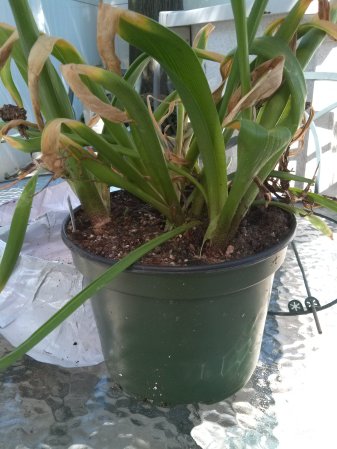
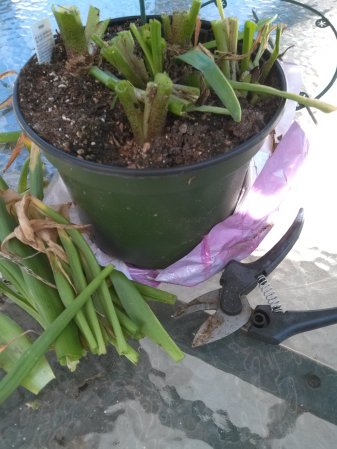
Simply remove from the pot and cut off the spent part of the plant almost down to the soil line.

After a plant blooms,  all the energy for the next growing season is stored in the bulb. So there is life in this plant yet!

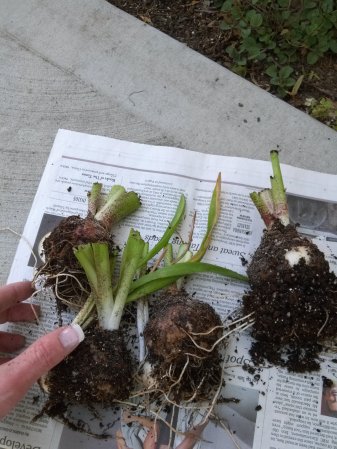
Turn the plant over and remove from the pot. You’ll notice the root system on the bottom of the plant. These are finished growing for the plant cycle. Shake off the soil. Reach in and separate what will be several bulbs.

In order for these plants to look healthy and full for Mother’s Day, several single bulbs will be grouped in one pot. When the plant is finished growing for the spring season the bulbs can be pulled apart and wiped clean. They can be wrapped in newspaper or paper towels for storage in a cool dry place and planted in the fall.

The bulbs need to be as dry as possible since moisture can lead to rotting. You don’t want to plant the bulbs in June because they have not had a season to harden off and the young bulbs could suffer under a punishing summer sun. Keep the bulbs stored until cooler winds are blowing in the fall. Check on the bulbs periodically while they are in storage to make sure the paper towels or newspaper haven’t become wet.

Follow these easy steps for your Mother’s Day plant from 2014 and turn it into the flowers that will greet you for the holiday next year and many years to come.

Stay tuned for planting tips and recipe ideas all month long!


the days of may, and baseball and cocktails!

We got a little distracted here at herbinkitchen with everything going on in the month of May.

The baseball season got into full swing and the track season brought new challenges in different events. May also meant state exams and progress reports before that last June report card next month. There were milestones and spring concerts.

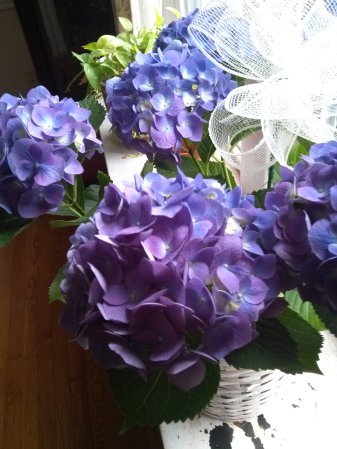
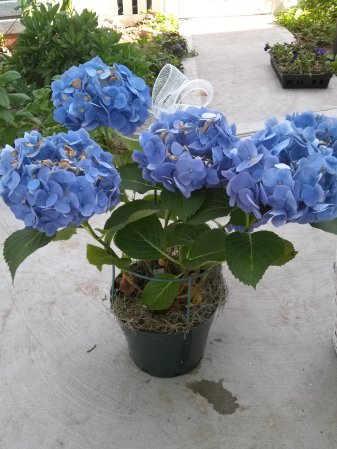
Mother’s Day had this on the dining room table. Flowers, rose plants, a new powder blue hydrangea and homemade cards. It doesn’t get any better than that. Why can’t every mother, everywhere, wake up to this each weekend?

Spring weather didn’t let us get settled into an assumed routine. We had some slightly overcast days like the day we headed to our local botanical garden to get some perennials and annuals for the garden.

We picked out some plants like a new obedient plant. This is a fun plant and great for kids. However you bend this plant it will be “obedient” and stay in that formation.

There were some wildly unpredictable days like when we walked over to the baseball field in the warmth of an intense sunshine.

It seemed like more than once, little guy got a hit and ran to sunny first base. But the stormy clouds rolled in, and by the time he got to third, we were being drenched by a downfall of rain. Game over!

The spring concert presented what the sixth-grade string students have been working on. One piece was an original composition written by the cellist from Carnegie Hall who has come to the school every other week to work with the students.

It has been a special opportunity for the string students and they seem to be aware this doesn’t happen in every music class in the New York City area. Getting students their age hooked on studying music helps in so many aspects of their education.

The most important event of our May calendar was attending the Memorial Day Parade to make sure the guys understand, that year after year, we need to thank our veterans and the men and women who serve our country.

Here comes summer grilling season and be sure and see what was going on in May at Parade like this recipe for glazed salmon.

http://parade.condenast.com/293121/aliceknisleymatthias-2/the-secret-to-a-no-stick-grilled-maple-bourbon-glazed-salmon-fillet/

Now that the warm weather is here to stay, the season for pouring cocktails on the patio is upon us. Read this new book for cocktail ideas and small bites to go with them. The strawberry-basil margarita just makes perfect sense!

http://parade.condenast.com/294162/aliceknisleymatthias-2/the-cocktail-club-new-how-to-book-from-a-today-show-lifestyle-expert/

How about getting tips from girls at the grill like Sara Moulton and Elizabeth Karmel? You’ll find it here.

http://parade.condenast.com/298451/aliceknisleymatthias-2/meet-8-girls-and-their-grills/

Herbinkitchen is taking part again in Blogathon for 2014. That means a new post every day about food and drink, garden, and entertaining ideas for the month of June. Here we go!


the candy at the bottom of the basket

April showers are making sure they leave their mark on the last day of the month with some relentless rain. Hear that May flowers? You better make one heck of a show for us.

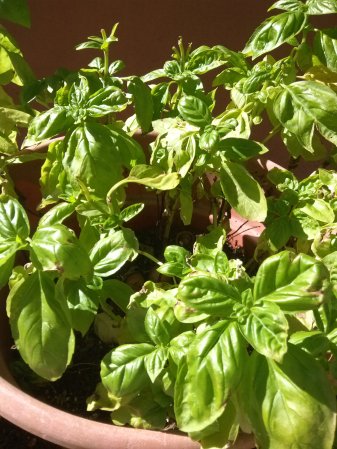
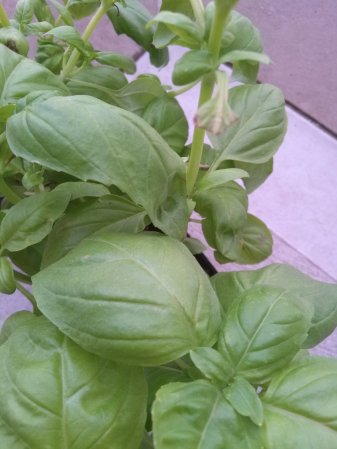
Take a look at this pot of basil from last summer. There’s nothing better than cooking with fresh ingredients. The pot sits next to the grill all summer. Reach down, grab some leaves, and scatter on the pizza or the grilled vegetables.

On a day like today, as the rain falls and the temperature is unusually cool, let your thoughts wander to the vegetables and flowers that will be at the farmers’ markets this weekend. Soon the lilacs will begin to bloom and the herbs and vegetables of spring and summer will be worked into our dishes.

My guys know a healthy vegetable for dinner is what came off the vine a few minutes ago or from our favorite farmers at the market when it’s in season.

Think about the zucchini which first gives us delicate blossoms, that can be harvested in the morning, and stuffed and battered for dinner outside on the patio. The zucchini itself softens on the grill,  drizzled with extra-virgin olive oil, and tossed with basil leaves.

We’re back in state-test-gear again. This go-around the number two pencils left the house in the sixth-grader’s backpack ready to answer math questions. The menu requests have come in and he chose eggs and bacon for his power breakfast this morning.

This weekend we will plant the strawberry pots with two kinds of strawberries. June-bearing strawberries and the larger variety, that will bloom all summer long.

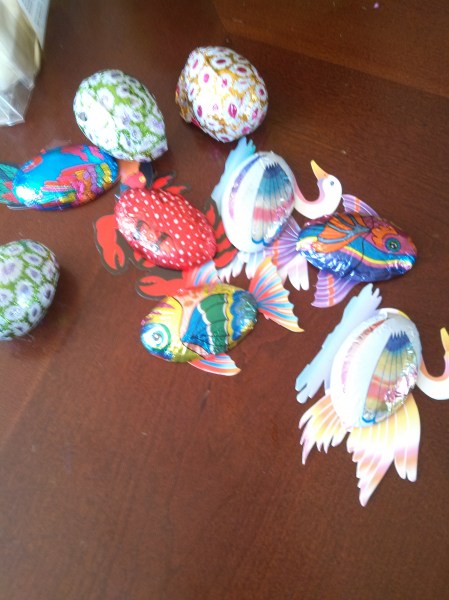
You’re inside on a rainy day and what is predicted to be a wet and windy night. Go through your Easter basket and check out my Parade post for what to do with leftover candy.

http://parade.condenast.com/285885/aliceknisleymatthias-2/6-ways-to-use-the-leftover-candy-in-your-easter-basket/

The first day of state math tests will be done at some point today. Fingers crossed. Then he will head to his strings class, where his teacher has been doing Beatles songs with her students, turning my guy into the world’s newest Beatles fan.

The songwriting of Lennon and Mc Cartney from 50 years ago can reach out and hook a 12-year-old today. The string students are getting ready for their concert in a few weeks. His class will be playing “Here Comes the Sun.”


easter eggs benedict

Last year’s Easter brunch seems to have created a new tradition for us. The Monday morning after Easter Sunday means hosting a dinner and getting kids up for school the next morning.

That’s why we decided on a brunch last Easter. Even though the overlap of Passover and Easter this school year meant we were off  from school for two more days after Easter, we went with a brunch again.

It  makes for an early-in-the-day celebration to appreciate what has started to bloom. And the cost of eggs, ham, English muffins for Eggs Benedict, and a side of grilled asparagus, is considerably less than a holiday dinner with a roast.

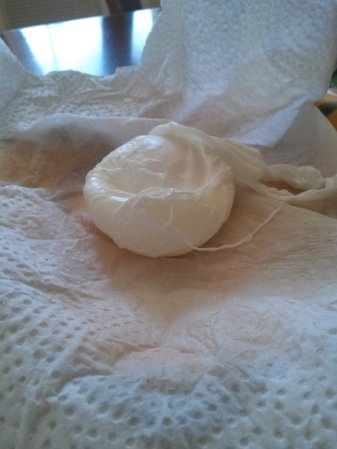
Eggs Benedict sounds fussy to make to some people. It’s not. It can be prepped ahead of time by semi-poaching the eggs in boiling water.

To make a poached egg, add a few drops of white vinegar to a pot of boiling water. This helps the egg white coagulate. Crack an egg. Use a wooden spoon and swirl some water in a circle, to create a whirlpool, and tilt out the insides of the egg.

The egg whites will start to wrap around the yolk. Remove the poached egg with a slotted spoon and place in a bowl of chilled water to stop the cooking process.

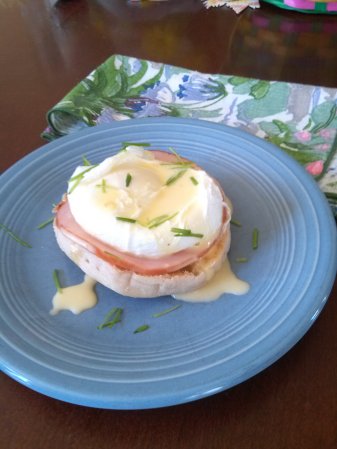
When you are ready to assemble the Eggs Benedict, drop the poached eggs back in some warm water for about 30 seconds before serving. Drain on a paper towel and build your Eggs Benedict with English muffins and Canadian bacon.

What’s the best part of Eggs Benedict? The Hollandaise sauce. Maybe you have memories of adults dealing with double boilers, cursing the Hollandaise sauce when it crosses the line of appropriate temperature, and begins to scramble the egg yolks.

There is a simple, foolproof method to turning out a silky Hollandaise sauce every time. Hollandaise sauce starts with butter. A good amount of butter. Holland is credited with the start of Hollandaise sauce.

Holland is known as “the land of butter” according to a New York Times cookbook. That’s where this rich sauce got its name. Butter, eggs to bind, a pinch of cayenne and freshly squeezed lemon juice.

Fresh lemon juice adds the tang to Hollandaise in a way that bottled lemon juice can’t compare. Melt the butter and add to a blender. Add the other ingredients and blend it all together. Perfect Hollandaise every time.

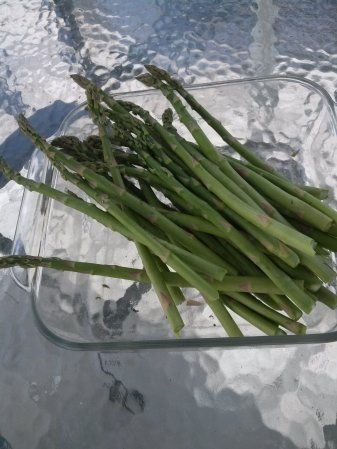
The Canadian bacon warmed in the oven with English muffins as we had our egg hunt. We sat down to our Easter Eggs Benedict and grilled asparagus and had this punch made up of equal parts orange juice, cranberry ruby red grapefruit juice, pink lemonade and ginger ale with slices of orange.

We snipped the first bit of mint that has returned in the garden and some chives.

The Easter bunny will be back again next year and it looks like the new tradition of Easter Eggs Benedict will continue.

If you have leftover hard-boiled eggs around, take a look at my post over at Parade. Get in full swing with spring!

http://parade.condenast.com/282502/aliceknisleymatthias-2/5-ideas-for-leftover-hard-boiled-eggs/


new york state test breakfast and dinner menu

People have their own personal signs of when spring has arrived. Baseball. Flowers.

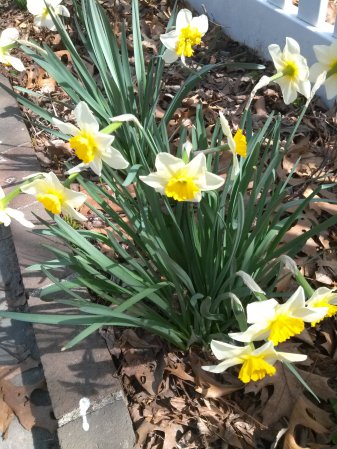
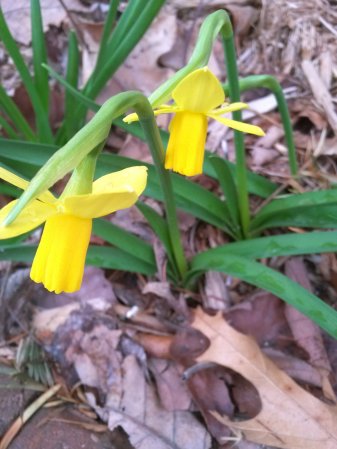
Our daffodils are brightening the day along with tiny purple crocuses.

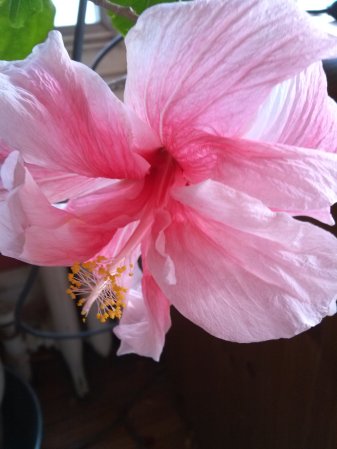
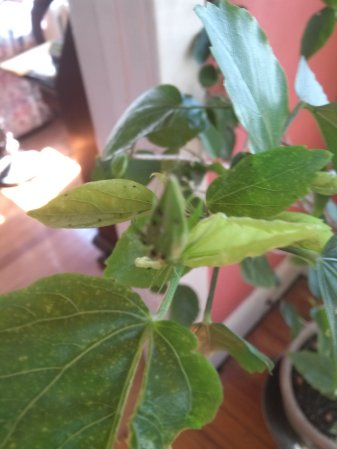
Inside, the hibiscus tree is beginning to bloom. The day we spotted the first bud meant the tree that sat in a sunny corner in the den, was getting ready to start the blooming cycle again.

These bright pink flowers will continue to appear all summer long as the tree spends a vacation on the patio.

It was so nice to crack open long-shut windows and let some fresh air in the rooms of the house. The warm sunshine was welcomed by us and dog decided to stretch out in it and relax.

All of it means spring — but it also means state test time. The first time my older guy took the tests were in the third grade. Parents shared stories about stressed children who were nervous about the tests. For whatever reason, my guy didn’t seem to be bothered. He was ready to sharpen his pencil and tackle whatever they were sending his way.

To put a positive spin on this exam, that would be administered over a THREE-day period, he got a distraction because he was put in charge of the menu for breakfast and dinner. Instead of dreading the doom of a three-day exam, he couldn’t wait for the time to come.

He chose eggs, scrambled one day, sunny-side up on another. Steak and potatoes for dinner. Canadian bacon. Toast with butter. Cheeseburgers. Baked pasta. Whatever he wanted. He was in charge of the menu!

We followed the tradition right into middle-school this year. Again, it kept him focused on something positive that fueled his brain power. This year it was his favorite lasagna up first.

The order for lasagna also meant we bought our basil plants for the season. We got four plants for the basil pot that sits next to the grill.

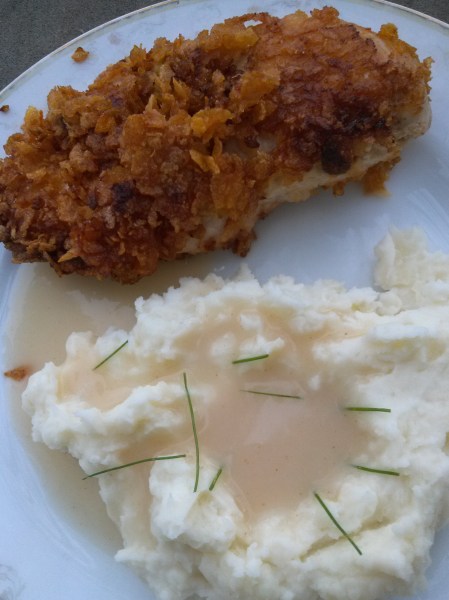
The next night was fried chicken and mashed potatoes. The “bread crumbs” are ground-up corn flakes and it gives the chicken, that has been soaked in buttermilk, a crunchy outer layer.

He likes a well in the middle of his potatoes and the gravy pooled inside. A sprinkle of chives on top.

The next night he chose hamburgers and French fries with what the guys refer to as their favorite “French fry sauce.” It’s the aioli they love made with mayonnaise and ketchup and a blend of chives.

Since the tests were officially over, a movie for dinner was requested.

All of the warm weather and sunshine inspired us to spread out beach towels on the floor and have burgers and fries with a movie. We could hear a soccer practice going on in the park across the street, the sounds of tennis rackets hitting tennis balls, and the fresh air was drifting in through the windows. What movie was playing during our inside picnic and a movie?

We let this guy choose since, as the song in the movie says,……………. because we’re happy!

Be sure to check out my latest post over at Parade about kids’ snacks. http://parade.condenast.com/276137/aliceknisleymatthias-2/4-kids-snacks-that-may-not-be-as-healthy-as-you-think/

For more reading this weekend: http://www.makealivingwriting.com/